Archives
- 2026-01
- 2025-12
- 2025-11
- 2025-10
- 2025-09
- 2025-03
- 2025-02
- 2025-01
- 2024-12
- 2024-11
- 2024-10
- 2024-09
- 2024-08
- 2024-07
- 2024-06
- 2024-05
- 2024-04
- 2024-03
- 2024-02
- 2024-01
- 2023-12
- 2023-11
- 2023-10
- 2023-09
- 2023-08
- 2023-07
- 2023-06
- 2023-05
- 2023-04
- 2023-03
- 2023-02
- 2023-01
- 2022-12
- 2022-11
- 2022-10
- 2022-09
- 2022-08
- 2022-07
- 2022-06
- 2022-05
- 2022-04
- 2022-03
- 2022-02
- 2022-01
- 2021-12
- 2021-11
- 2021-10
- 2021-09
- 2021-08
- 2021-07
- 2021-06
- 2021-05
- 2021-04
- 2021-03
- 2021-02
- 2021-01
- 2020-12
- 2020-11
- 2020-10
- 2020-09
- 2020-08
- 2020-07
- 2020-06
- 2020-05
- 2020-04
- 2020-03
- 2020-02
- 2020-01
- 2019-12
- 2019-11
- 2019-10
- 2019-09
- 2019-08
- 2019-07
- 2019-06
- 2019-05
- 2019-04
- 2018-11
- 2018-10
- 2018-07
-
br Cholecystokinin CCK CCK is secreted by enteroendocrine I
2021-10-26
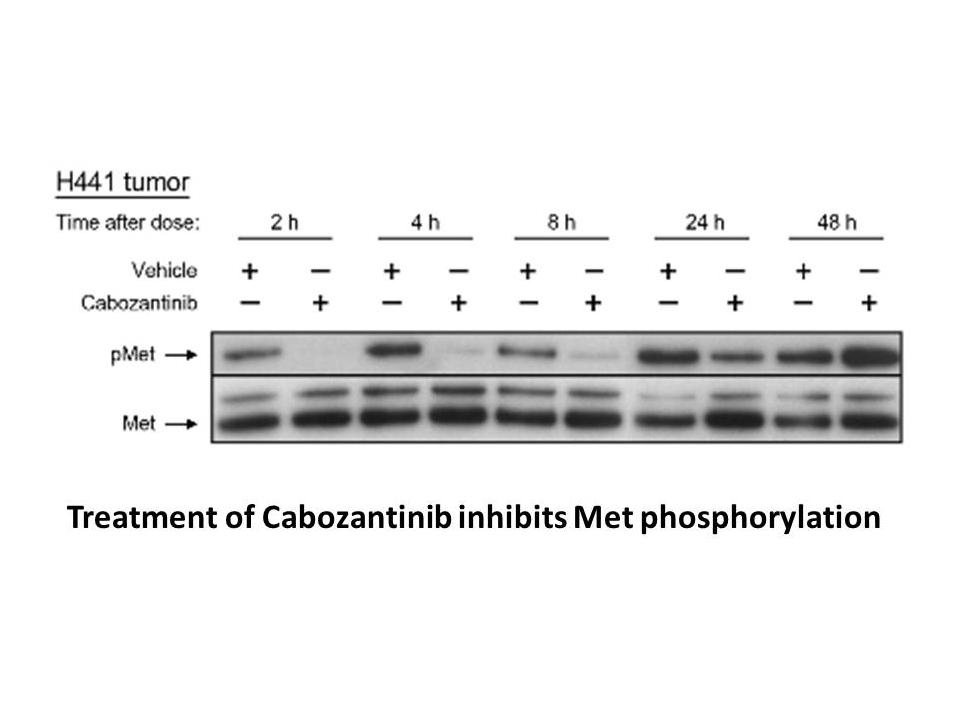
Cholecystokinin (CCK) CCK is secreted by enteroendocrine I-cells of the duodenum and jejunum in response to amino acids and lipids [14]. There are two forms of the CCK receptor, CCK1 which is expressed on pancreatic α- and β-cells while CCK2 is located on somatostatin-secreting δ-cells [8]. CCK r
-
In summary our findings support the hypothesis that activati
2021-10-26
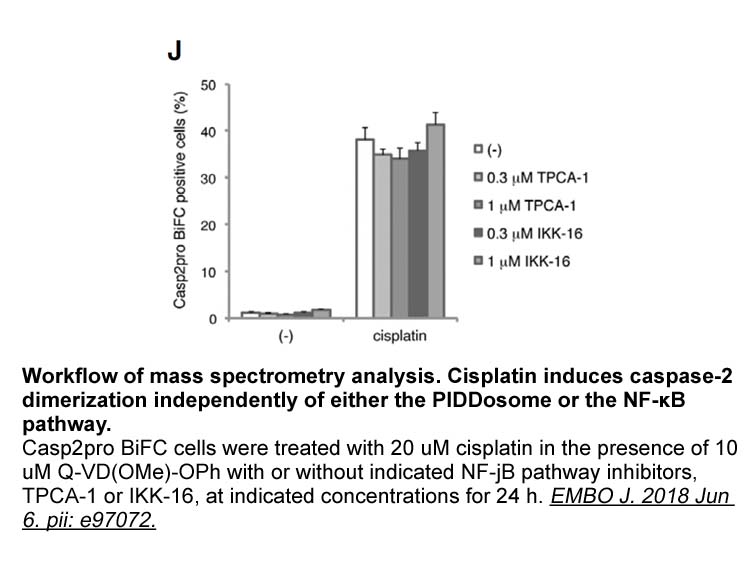
In summary, our findings support the hypothesis that activation of GPR55 protects against deficits in neurogenesis induced by inflammatory insult both in vitro and in vivo through direct targeting of NSCs. Better understanding of the mechanisms by which GPR55 provides neuroprotection is critically n
-
Administration of a fructose rich diet to
2021-10-26
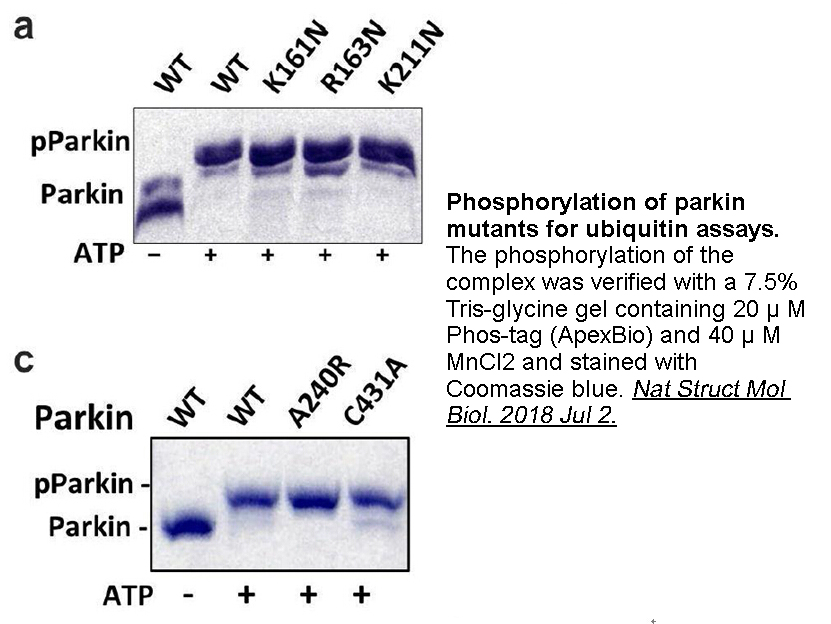
Administration of a fructose-rich diet to normal rats induces insulin resistance and impaired glucose tolerance or diabetes, depending on treatment duration [23]. We have shown that development of these abnormalities as well as fat deposit in liver, are effectively prevented by co-administration of
-
In this study our result
2021-10-26

In this study, our result suggests that exogenous GR agonist DEX and GR inhibitor RU486 can affect dopaminergic neurotransmitters in the brain. Pituitary adenylate cyclase-activating polypeptide (PACAP), an endogenous neuropeptide, can regulate the synthesis and release of catecholamine. McArthur et
-
As we showed earlier a to
2021-10-26
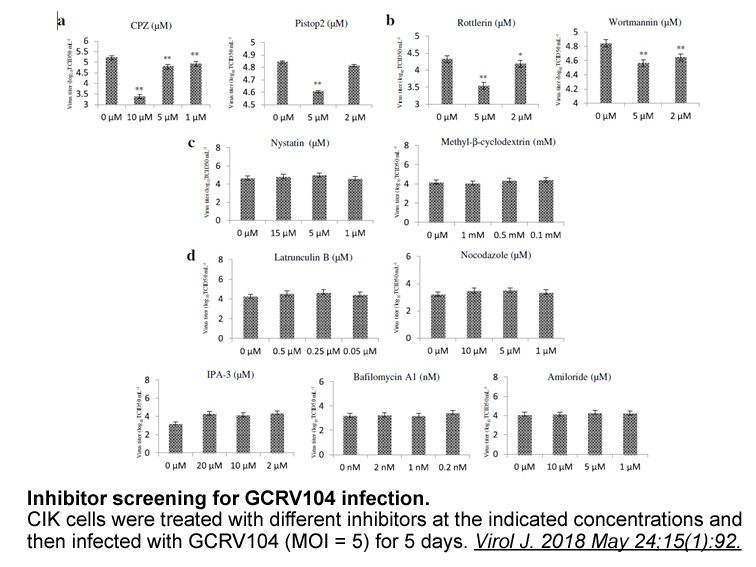
As we showed earlier [19], a 20- to 30-min incubation with 2mM t-BHP resulted in erythrocyte swelling, which was less in a Ca2+-containing medium. Given that this effect was abolished in the presence of the Gardos channel inhibitor CLT, as well as in media high in K+, we suggested the contribution f
-
Fatty acids are also known to
2021-10-25

Fatty acids are also known to activate G-protein coupled receptors (GPCRs). LCFAs activate the GPCRs for free fatty amiodarone hcl sale (FFA)1 and FFA4 (Briscoe et al., 2003; Hirasawa et al., 2005), whereas SCFAs activate FFA2 and FFA3 receptors, which are expressed in bovine neutrophils (Alarcon e
-
Despite their undisputed importance however FPR receptors ar
2021-10-25
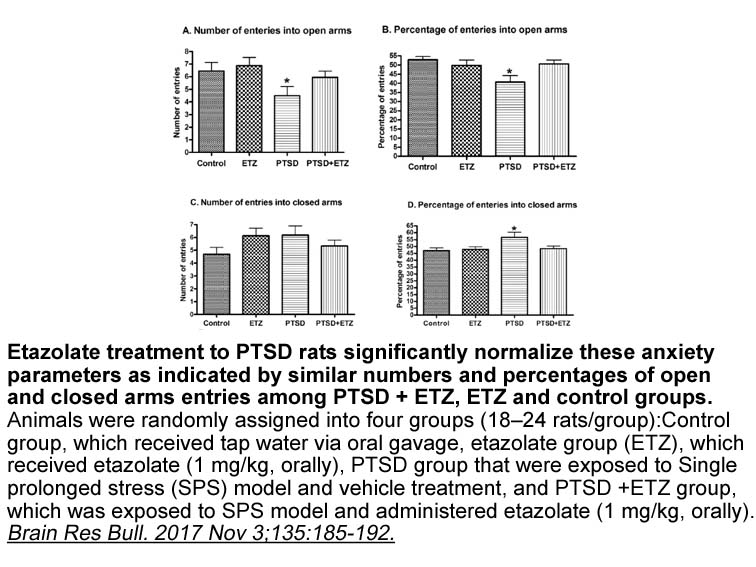
Despite their undisputed importance, however, FPR receptors are not in the limelight of GPCR-related research (for review [12] and references therein). We, therefore, draw attention to this GPCR receptor family, in order to re-initiate FPR-related research, particularly in the light of biased agonis
-
Magtanong et al observed that caspase dependent apoptotic li
2021-10-25
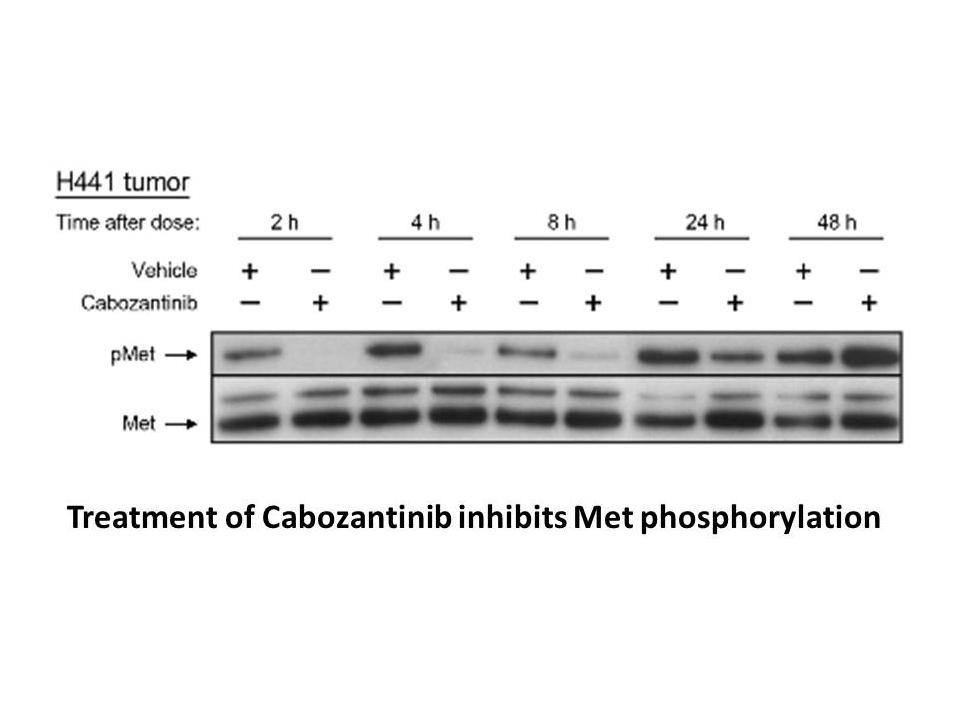
Magtanong et al. (2019) observed that caspase-dependent apoptotic lipotoxicity of saturated fatty acids is suppressed by exogenous MUFAs. This may explain the ability of MUFAs to prevent atherosclerosis, in contrast to the pathogenicity of saturated fatty acids. Moreover, MUFAs may promote while PUF
-
Previous studies have shown that ox LDL induced hepatic sinu
2021-10-25
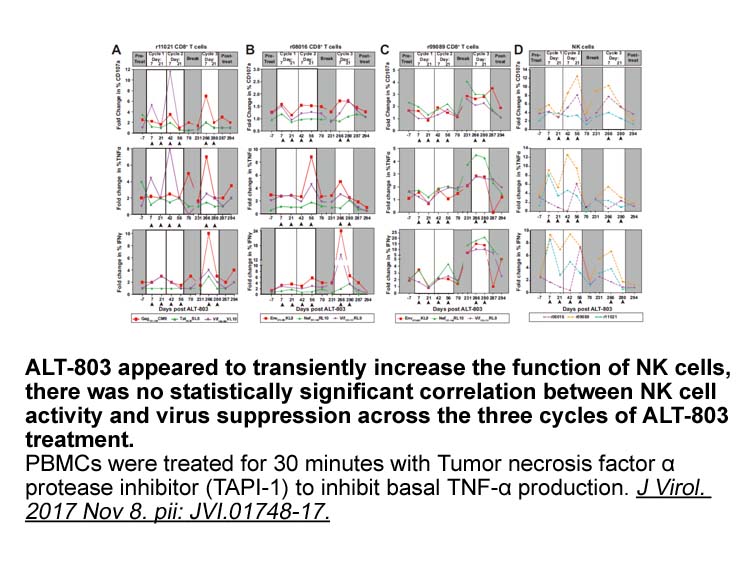
Previous studies have shown that ox-LDL-induced hepatic sinus dysfunction is the result of multiple pathways, multi-factorial regulation, and in the present study, we reported for the first time that ox-LDL regulates the basement membrane protein VN through the integrin αvβ5 pathway under high gluco
-
br Drugs approved or in development
2021-10-25
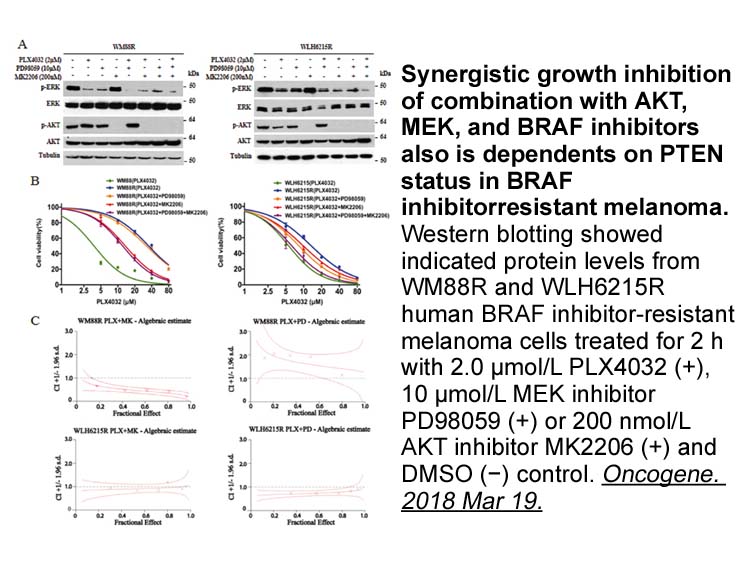
Drugs approved or in development To date, three drugs: RAL (MK-0518), EVG (GS-9137) and DTG (GSK1349572) [104], have been approved by the FDA. Their structures are shown in Fig. 5. DTG is under development by GlaxoSmithKline (GSK), and studies have shown DTG to be effective in patients with resis
-
br Results br Discussion HIV reservoirs represent
2021-10-25
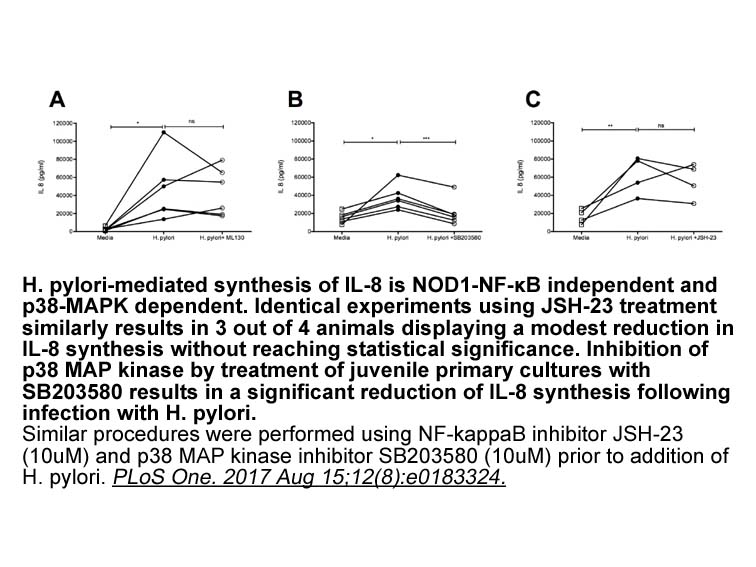
Results Discussion HIV reservoirs represent a major barrier to HIV eradication (Archin et al., 2014, Kimata et al., 2016), and substantial research efforts are being directed toward the goal of identifying and eliminating this obstacle to cure (Archin and Margolis, 2014, Pitman et al., 2018).
-
CD CD belong to the costimulatory adhesion molecule family
2021-10-25
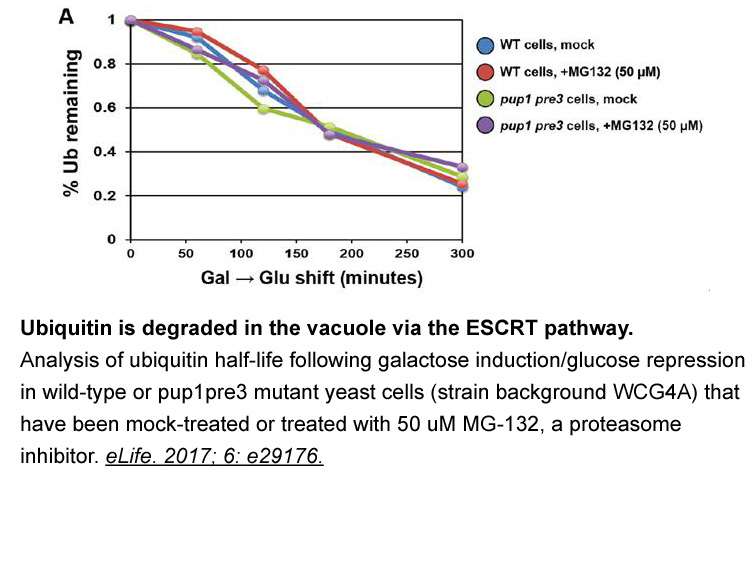
CD80/CD86 belong to the costimulatory adhesion molecule family, which can activate T 6656 by the costimulatory pathway and have been used as indicators of DC maturation in numerous studies. In addition, MHC-II, as the principal component of antigen presentation, was significantly elevated after ant
-
The dramatically reduced expression of CFTR
2021-10-25
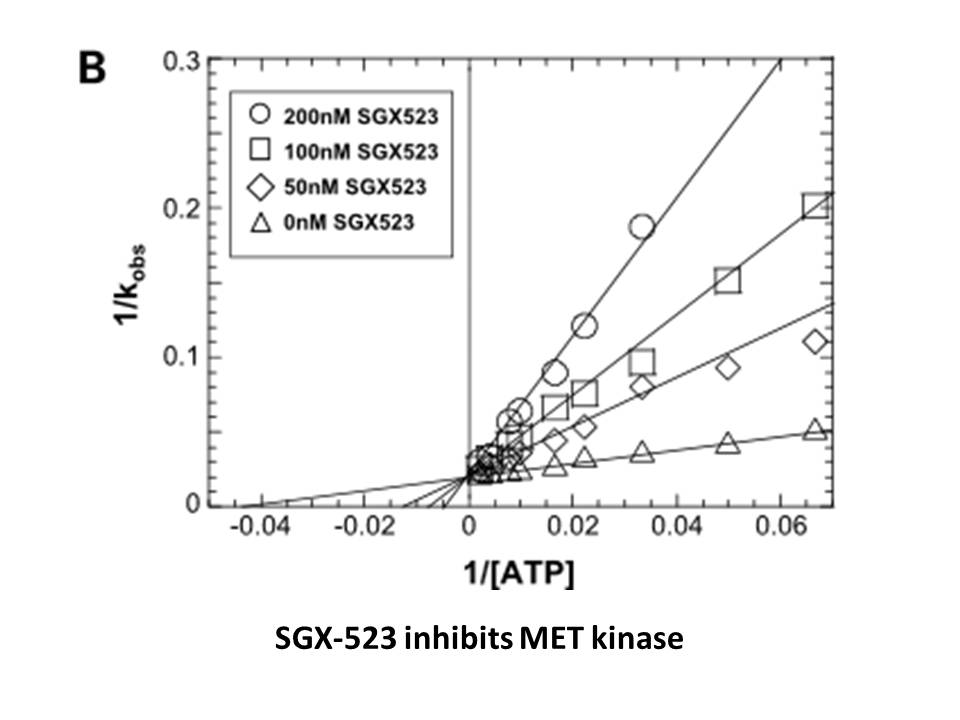
The dramatically reduced expression of CFTR in human colorectal cancer tissues identified herein is consistent with our previous findings using human breast cancer tissues, prostate cancer tissues, and colon cancer tissues, and suggests that the loss of CFTR is likely a general phenomenon in epithel
-
There is increased awareness of HBV reactivation in
2021-10-25

There is increased awareness of HBV reactivation in chronic HCV/HBV co-infected patients treated with DAAs [1], [2]. The recent emergence of this adverse event of DAA therapy is due to the exclusion of HBV co-infected subjects from registration clinical trials evaluating the safety of these treatmen
-
Introduction Non alcoholic hepatic steatosis is characterize
2021-10-25
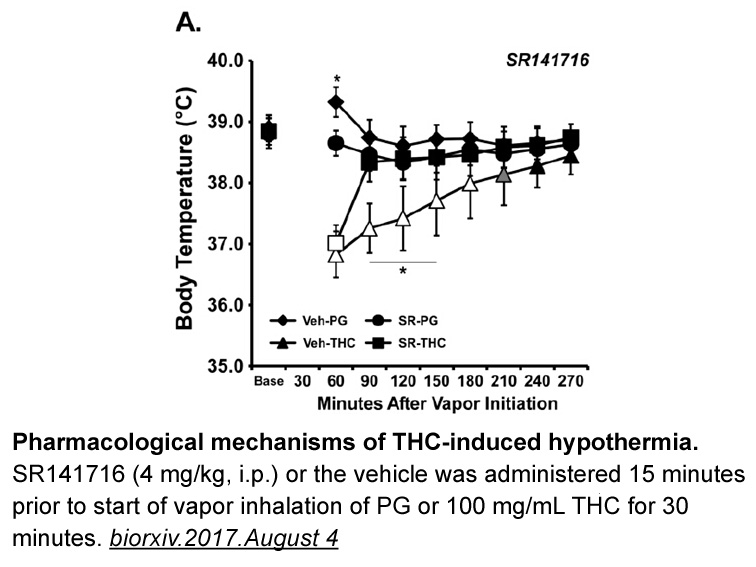
Introduction Non-alcoholic hepatic steatosis is characterized by the presence of steatosis in hepatocytes [1], which leads to the development of fatty liver [2]. It is strongly associated with obesity, insulin resistance, and type II diabetes [3]. They are major risk factors of non-alcoholic hepati
16631 records 588/1109 page Previous Next First page 上5页 586587588589590 下5页 Last page